Shark Drawing: Easy, Cute & Step-by-Step References
Browse original shark drawing pencil references across simple outlines, cute sketches, and shaded studies. Tap any image to open Study Mode with a proportion grid and horizontal flip.
Shark Drawing Reference Gallery
Click any sketch for Grid & Flip Study Mode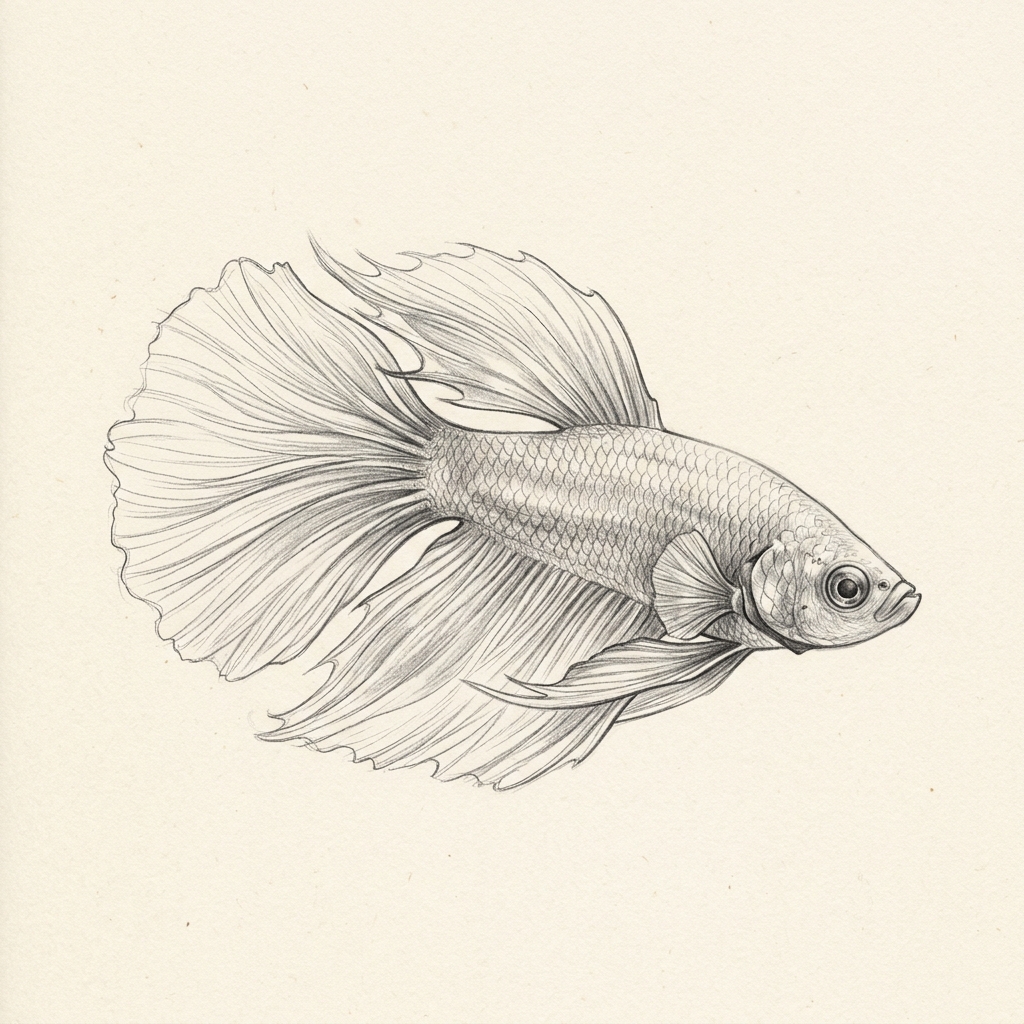
Simple Shark Outline
easy
Cute Shark Sketch
cute
Classic Shark Portrait
realistic
Side Profile Shark
easy
Shaded Shark Study
realistic
Notebook Shark Doodle
cuteHow to Draw a Shark Step by Step
Beginner Friendly • 12 Minutes
Step 1: Torpedo Body Axis
Draw a sleek, elongated torpedo shape tapering to a pointed snout in front and a narrow tail stalk in back.
Step 2: Iconic Dorsal Fin & Crescent Tail
Place the tall triangular dorsal fin slightly behind mid-back, add two angled pectoral fins below, and a sharp crescent tail fin.
Step 3: Five Gill Slits, Dark Eye & Teeth
Curve the mouth downward beneath the snout, line it with triangular teeth, and sketch five parallel gill slits ahead of the pectoral fin.
Step 4: Counter-Shading Graphite Blend
Shade the top half of the shark in medium-dark graphite while keeping the belly bright paper-white for authentic ocean counter-shading.
Printable Shark Drawing Practice Sheets
Prefer practicing offline at your desk? Studio Members can download printable shark drawing reference packs with faint proportion grids and clean outline templates for personal or classroom sketching.
Shark Drawing FAQ
How do beginners start an easy shark drawing?
Start by blocking in the largest basic shapes with light HB pencil strokes before adding small details. You can click any reference image above to open Study Mode with a 3×3 proportion grid.
What pencils work best for shading a shark drawing?
An HB pencil is ideal for clean construction lines, while a 2B or 4B graphite pencil helps build soft tonal transitions and deeper shadow accents without pressing hard into the paper.
How can I check if my shark drawing proportions look balanced?
Use the Flip Horizontal tool inside Study Mode or hold your sketchbook up to a mirror. Reversing the image immediately reveals subtle symmetry or angle shifts.